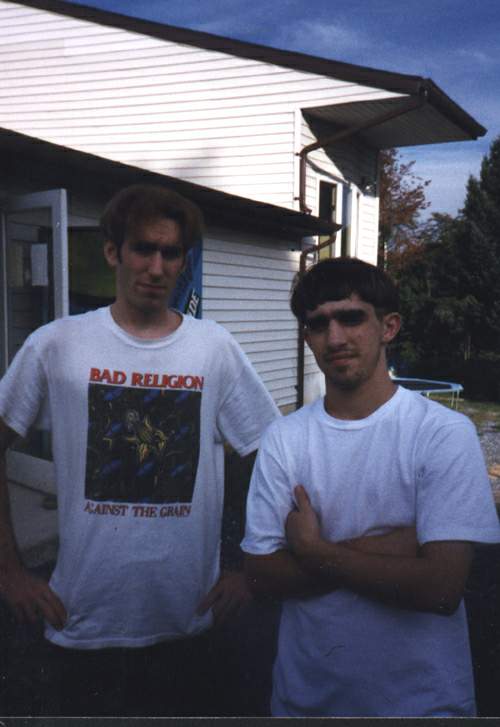
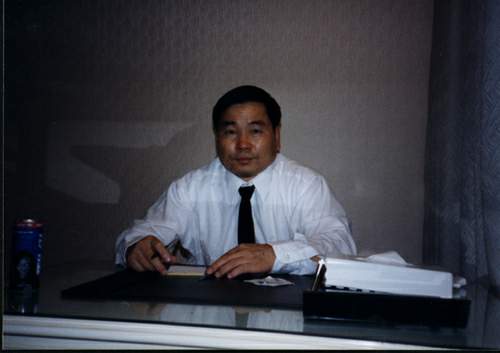
I needed a passport, fast. That was the first problem. The second was that I quit every job I had, trusting that maybe this strange little website business would turn into something real. The dotcom boom was still shaking the world, and we thought we were riding it. Chris and I lived in the studio, training, dreaming, and bullshitting. We pulled my buddy Mike into the mix for a while, taking our backyard military fantasies and hand to hand combat jokes to the next level. Then Mike went off to college at Penn State Mont Alto, and it was just me and Chris again, trying to figure out life with no map.
To get a passport in less than a week, Dr. Park drove me to Philadelphia and paid extra to expedite it. That meant only one thing. We were getting on a plane soon. I had never left the country. I had never flown anywhere. This would be my first time in the air.
Dr. Park bought three plane tickets. One for him, one for Chris, and one for me. The plan needed to be discussed, and the best place for that was Min Sook, the only Korean restaurant in Harrisburg that I knew existed. Looking back, it was probably the closest thing to home cooking that Dr. Park had in the entire region. For me, it was my first taste of something I did not understand. Kimchi hit my senses like a punch. Chris tolerated the food because someone else was paying. Meanwhile, we were two teenage punks who barely respected the man footing the bill.
We packed our suitcases and one beat up duffle bag. Dr. Park drove us to Newark Airport. Of course we were flying Korean Air. It had to be symbolic. It had to mean something. When the engines roared for takeoff, I nearly ripped the armrests off my seat. I was terrified. Once we were in the air, it became manageable, but halfway across the world, we landed in Alaska. That was when my head exploded with a sinus headache so brutal that I thought I was dying. Airports tend to make you question your choices. Alaskan ones are worse.
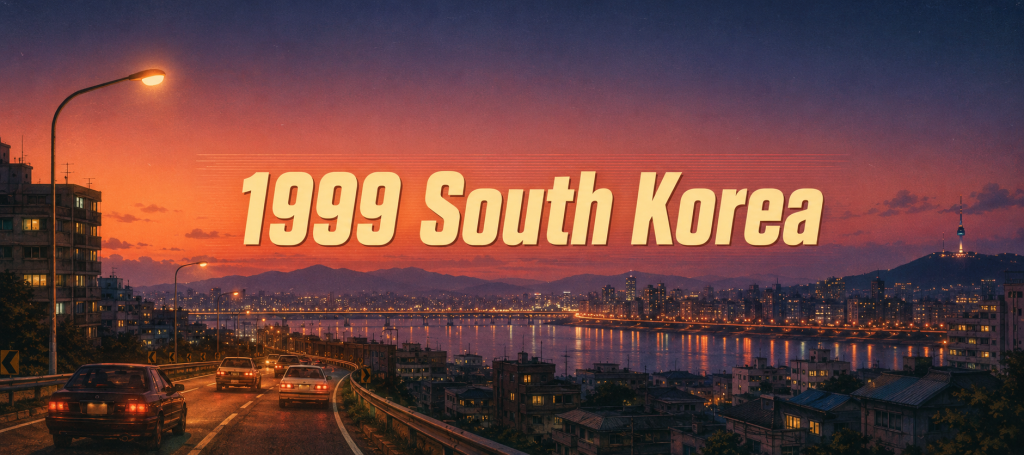
Landing in Seoul felt unreal. Chris and I collected the luggage like obedient soldiers. We pushed everything through the arrivals gate and stepped into a world we had only imagined. We were loud, arrogant, and acting like celebrities. Just two punks from Pennsylvania who had somehow made it to the other side of the world.
We did not make it to Japan, but Korea felt like the next best thing. It was the first time we had ever stepped foot in another country together. That mattered. It mattered more than the business itself.
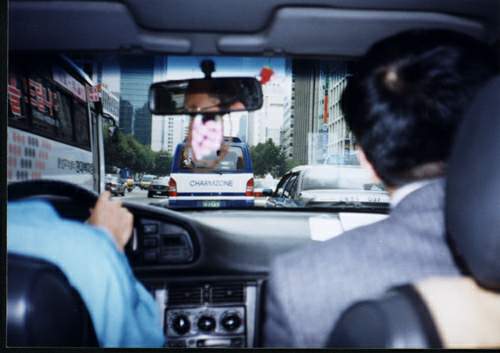
We took a taxi through downtown Seoul. Dr. Park slipped back into his mother tongue and talked with the driver like an old friend. The traffic put New York City to shame, but somehow it all worked. He wanted to impress us, or maybe he wanted to impress Korea.
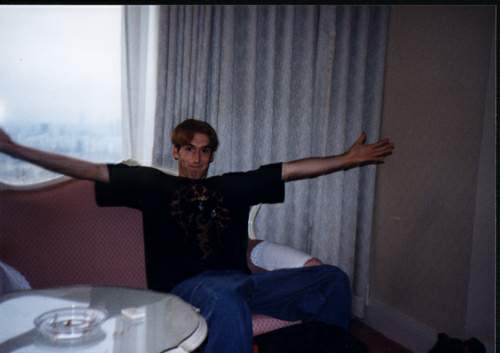
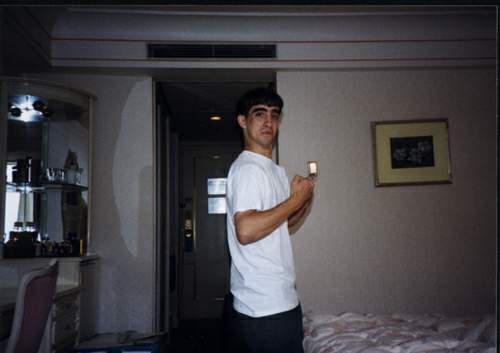
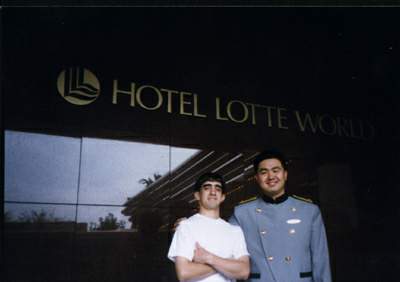
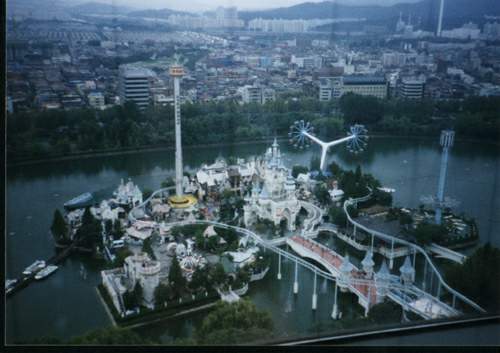
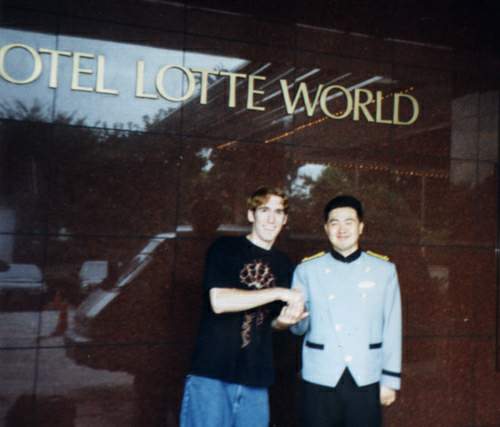
Dr. Park took us to the Lotte Hotel. I did not know it then, but it was luxury. It was the kind of place people saved for months to visit. There was even a theme park attached, not that Chris or I cared. We wanted music stores. We wanted culture shock. We wanted to feel like travelers.
We went to a mall that looked nothing like anything back home. There was a concrete garage, dusty stairwells, and then a subterranean maze of tiny shops. It felt like a flea market mixed with a bunker. Dr. Park wanted me to look like a business employee, so he bought me dress shoes. They were stiff and sharp, and they tore open the backs of my ankles. I still have the scars. Chris laughed at me the entire time. He was right. I looked ridiculous. He kept dressing like a punk, and I envied him for it.
We brought our entire desktop computer to Korea. We did not know about the voltage difference. When we plugged it in, nothing happened. We wasted hours trying to figure out what was wrong. At some point, I realized there was a switch on the back that needed to be flipped to 220 volts. It was my first overseas tech problem and my first overseas fix.
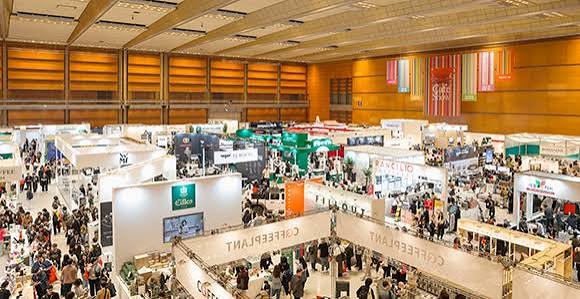
With the computer running and my ankles bleeding inside my shoes, we made our way to Seoul University. There was an English teaching conference that weekend, and this was where we would debut our website. Except the website was not much to debut. It was young and thin and looked like something whipped up by New York City Korean web developers with too much ambition. But marketing was everything, and Dr. Park was a master.
Dr. Park had friends from the university come by. They were young engineering students, smart kids who helped set everything up. Chris and I handed out business cards because that was what real businesspeople did in the nineties. Chris hated it. He gave out a few cards and vanished. I kept going, even though I hated it too.
Then Dr. Park panicked. Our booth was being ignored, and his solution was pure desperation. We printed banners featuring bikini models. White women. I hated it. I knew it was stupid. Chris checked out completely. I stayed, trying to believe that something might come from this circus. The banners went up, and the embarrassment washed over me like a bad smell.
To blow off steam, we sneaked into the university restroom. We were still just kids. I grabbed some toilet paper and tossed it over a stall onto some poor guy trying to take a shit. Slam dunk. Chris cracked up. I feel awful about that now, but at the time, we were proud of our stupidity.
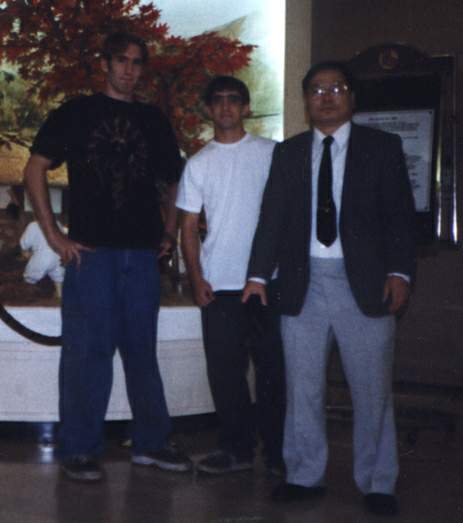
That night, we ate and drank with Dr. Park and his friend, a former Olympic judo champion. The man was enormous. He had hands like baseball mitts and the presence of a mountain. I remember being told that he had won a bronze medal in the men’s open division at the 1976 Summer Olympics, but the memory is foggy now.
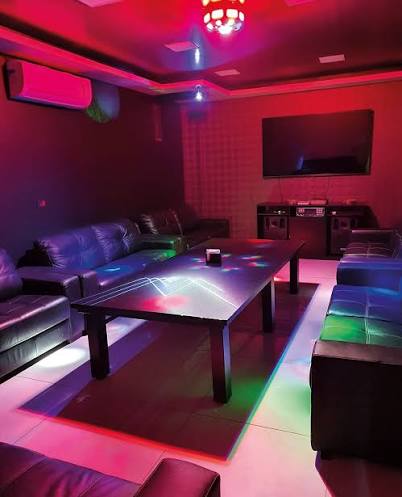
We ate whatever exotic bugs were dropped onto the table. It was disgusting and perfect. Of course, we sang “Tears in Heaven” at karaoke because that seemed to be the only English song that existed in the entire country. Just like Queens. We were drunk, singing badly, and partying with a Korean Olympic hero. It felt surreal. It was all made possible by Dr. Park’s generosity.
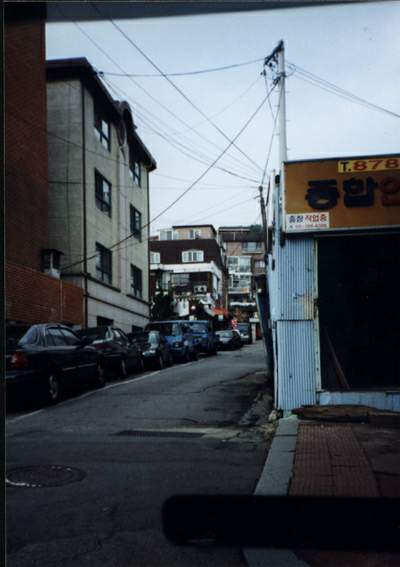
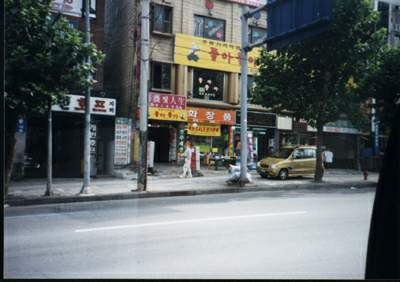
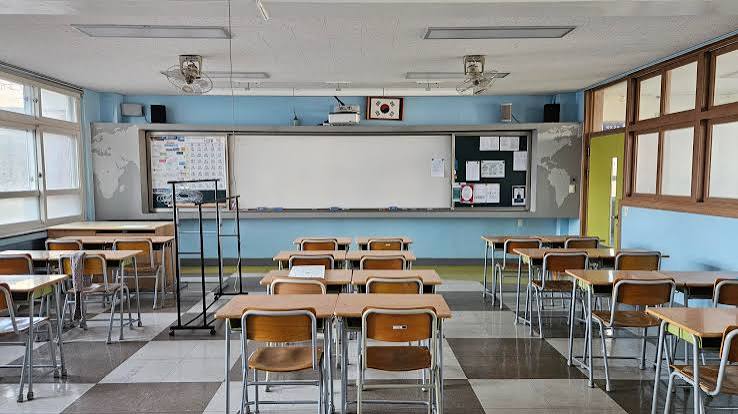
The next morning, we had a day off, but Dr. Park was not stupid. We were not allowed to roam Seoul alone. He sent his nephew, Gi Chew, to babysit the two Americans. For Chris, Seoul looked like Japan’s cousin. There were narrow streets, tall concrete apartments, neon signs, and the hum of life packed tightly into small spaces.
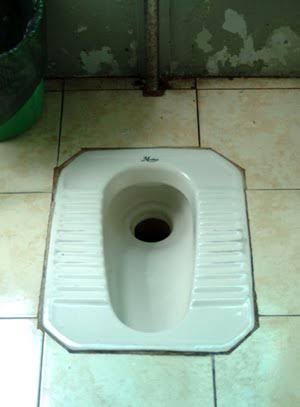
We went to Gi Chew’s university, a lower tier school that looked worn and cracked compared with Seoul University. I had to use the bathroom. I opened the stall, and there it was. A hole in the floor. My first squat toilet. My first moment of real cultural shock. I squatted, prayed for balance, and let the Korean food do its work. It was an awakening, a cleansing, and a rebirth in a tiled room.
After lunch, we met up with Dr. Park and prepared to fly home. Was the trip a success? Not in dollars. Not in customers. But for Chris and me, it was something better. It was our first time overseas, our first stamp in a passport, and our first proof that the world was bigger than Central Pennsylvania.
I sat on the plane and looked down as we flew near Japan. I wondered if I would ever see it. Korea was cool, exciting, and strange, but it was not Japan. It was not the place I dreamed of living.
It was a taste. A small bite of the world. Once you taste something like that, you spend the rest of your life hungry.
At one of the local music stores in Seoul, Chris picked up a CD. Dog 1st. It became the theme song for my experience.
It’s been 20 years since I came through this place—this airport with its flickering fluorescent soul and overpriced coffee. I didn’t come back for the nostalgia. I came because it was the cheapest way I’m allowed to get to LAX. No fanfare. No upgrades. Just a seat and a window.
Mixed feelings? Sure. But I’m not here to unpack emotional baggage at the gate. I’m fine. At least, that’s the story I tell myself. The truth is, I’m scared to be soft. Scared to let the seams show.
The wheels hit the tarmac, and a song pops into my head—uninvited but welcome. Tae Seo. His music always carried weight. Soul stitched with edge. Maybe this one’s my anthem. Or maybe it’s just a mood. But either way, I own it.
This isn’t a homecoming. It’s not a farewell. It’s a layover in a life that never really stops moving. And if I’ve learned anything, it’s this:
I don’t need the song to be mine. I just need the attitude.
It’s been twenty years. Two decades since I last passed through this place. Korea. A land that once wrapped around my memories like warm broth—comforting, imperfect, real. But now? It’s different. It has that glossy, duty-free sheen. I step off a flight from Japan and it hits me—this isn’t home. This isn’t even the memory of it. It’s just LAX with Hangul on the signs.
I chose this route because it was cheap. It’s the only way I’m allowed to get to LAX. But maybe, somewhere deep down, I thought I’d feel something walking these halls again. That I’d stumble into some lost fragment of the man I used to be. But instead? I forget the power outlets are different. I can’t plug in my laptop.
That’s OK. I won’t be here long.
Prices are up. 1,400 won to the dollar now. Seven thousand for a snack. I remember when 1,200 could buy you something good—something hot, something local. Back then, my paycheck from Pennsylvania barely covered meals here. But I was young, hungry, and the world was still something I could chew through.
I see a Japanese ramen shop nestled between a Krispy Kreme and a pizza joint. That didn’t used to be here. American chains have claimed this space, repackaged it. Only a few real Korean spots linger, like tired elders watching a parade of strangers take over the neighborhood. The old full-menu Korean restaurants are gone. This place used to feed souls. Now it just transfers bodies.
At the convenience store, I notice something else—eyes on me. The workers watch. Not to help. To guard. I thought maybe it was just a cultural form of customer service, but no. Theft prevention. They’re scanning for Chinese travelers. I wonder if they really steal that often… or if we’ve just all stopped trusting each other. Japan feels different. Gentler. More forgiving.
And here I am, standing in between worlds.
I think about coming back—next time with my wife, with Penny. I had thought maybe a month. But now? A week and a half will do. Hit the old BBQ joints. Walk the same worn alleys. And maybe, if the gods are kind, I’ll find GiaChu—my cousin. He’s still here. Somewhere. I’ll find him when I’m ready.
And if I do… I’ll tell him what happened. About the old man. About her. I’ll pour it all out like soju under moonlight. Maybe I won’t. Maybe I’ll just toast the silence and let him talk. I’m not here to break apart families, even if mine broke me once. Even if the scars still itch.
I think about 1999. Chris and I landed here with Dr. Park, not knowing what we were stepping into. It was chaos. Beautiful, disjointed chaos. We still laugh about it. I found Dr. Park’s address recently. Sent him a thank-you letter. Wrote it in Korean. I wanted him to read it easily. Sometimes, the only thing you can offer someone is gratitude.
Now I sit here, airport coffee cooling beside me, my 15-year-old dreaming about hiking mountains in China—places I’ll never go. Places I can’t go. If I step foot in that country, I disappear. A jail cell, a silence.
So I let him dream. Let him go where I can’t. That’s the point of it all, isn’t it? We live, so they can go further.
As I sit in this space-between, Tae Seo’s music drifts back into my mind. A song I didn’t choose, but one that somehow chose me. Maybe it’s my song. Maybe it isn’t.
But the feeling?
That’s mine. That ache. That edge. That quiet defiance. That’s all me.
I ride out with Wax’s first band, Dog 1st. Chris picked up this CD while we hunted in 1999. It’s stuck with me. This song slaps.
Back in the early 2000s, I signed up with the Air National Guard out of Philly. Not out of some grand patriotic fever, but because I needed out. Out of central Pennsylvania, out of the small town gravity pulling me under. I wanted an education. And maybe, just maybe, a shot at something bigger.
I won’t name names here. That part of the story isn’t mine to expose. But I ended up living with a Korean family. Kind people. Generous. They opened their home to me, no questions asked. Maybe they pitied me. Maybe they saw something worth saving. Or maybe I was just another lost American kid showing up hungry and half formed. It doesn’t matter.
What matters is that they treated me like one of their own. And then something wild happened. We traveled together. A family trip. Abroad.
For a guy who grew up watching overdue bills pile up on the kitchen counter, a trip overseas wasn’t something that happened. It was something you saw in movies, something that happened to other people. People with frequent flyer miles and dinner reservations.
But there I was, passport in hand, with people who barely knew me, flying thousands of miles away from the only life I had known.
It wasn’t just a trip. It was a kind of salvation.
Second time out of the country. Second time in South Korea. I didn’t know what to expect, but I knew one thing. I felt safe. Traveling with the Korean family gave me a kind of grounding I hadn’t known before. They trusted me. And in return, I trusted them.
Korea in the early 2000s felt like the U.S., just a decade behind. A country still stretching its legs after being broken by war, trying to catch up without forgetting what it had been through. And make no mistake, the war never ended. It was only a ceasefire. A breath being held for fifty years. The line between North and South was still watched, still dangerous. Seoul, vibrant and sprawling, lived with the hum of that tension. A city with a sword hanging over it by a thread.
We started there, like many families do. My Korean family had left years ago, but this was a return. A kind of pilgrimage. The old man needed the air of home. He’d done his time. Literally.
He told stories. Not the sanitized kind. He’d been brash. Angry. Probably scared, too. Like every conscripted kid from a poor neighborhood who gets handed a rifle and a death sentence. In Korea, service isn’t optional. But class? Class decides whether you die in the dirt or shine your boots behind a desk. Rich kids got sent to the rear. Poor kids got swapped out, reassigned, and thrown forward. Games played with serial numbers and signatures.
The old man got the front line. Gunner on a chopper. Black ops over the border. He talked about the gun and how it tore through people like paper. He said it with a kind of weight I’d seen in the eyes of old vets back home. A knowing. Not pride. Not shame. Just the kind of truth you carry when you’ve seen the worst in men and in yourself.
I respected him. More than that, I needed him.
He was the kind of father I didn’t know I was missing until he showed up. Tough, but warm. Scarred, but whole. He gave a damn about me. Gave me structure. And for the first time in a long time, I felt what that was like.
I loved him. I loved them. And in that moment, halfway across the world, I wasn’t lost. I was home.
The adults did what adults do. They sat around tables, poured drinks, and swapped stories in low tones. Left to ourselves, the kids, all of us, were cut loose.
My cousin, or something like a cousin, took charge. He was the type who knew the city and how to bend the night in his favor. He brought along his buddy from construction. Rough hands. Easy grin. The kind of guy who works all day, drinks all night, and knows when to laugh.
We hit the streets. Neon washed over us like rain. We talked. We drank. I listened more than I spoke. There was something about hearing your life mirrored in another tongue, in another place, that made it hit harder. These weren’t just drinking buddies. This was a window into another life.
My cousin had plans. Big ones. He was headed to the States for school. The pressure of Korean parents is no joke. He wore it like a second skin. An American degree meant respect, escape, maybe even happiness. He didn’t say it out loud, but I knew the weight he carried. We all carry it differently.
We promised to write. I didn’t. Life moves. Distance grows.
But that night, we laughed like the world outside didn’t matter. Like the border up north wasn’t humming with tension. Like responsibility could wait.
Just for one night, we were kids in a foreign land, drinking like locals, dreaming like fools.
And it was beautiful.
Like every family, we did the most universal thing you can do when you’re packed into a van with people you love. We hit the road.
We drove south, deeper into the spine of Korea. Destination: Daejeon. A city that doesn’t make it onto postcards or tourism campaigns, but that wasn’t the point. I think it was where Korean mom’s family came from. We were visiting a sister? A brother? Memory’s a little foggy on that one.
What I do remember, clear as a soju bottle at midnight, is being the first white guy they’d ever seen in real life. Not in movies. Not on game shows. A flesh and blood American, standing awkwardly in the doorway like a walking culture shock.
They stared. I smiled. And honestly? I didn’t blame them. This wasn’t Seoul. This wasn’t near a base. This was the real Korea. Unfiltered, unscripted, and unconcerned with who I was.
I was honored, but didn’t make a big deal of it. I was a guest. You show up, you eat what’s offered, you smile, and you shut up.
Then came Busan. That’s when things got interesting.
The old man, ever the practical warrior, booked us a cheap hotel. Frugal to a fault. Except this place wasn’t just cheap. It had a very specific clientele.
A love hotel.
I should’ve known when I walked past racks of VHS porno tapes on the way up the stairs. That kind of neon lit sadness you can’t unsee. This wasn’t a place for families. This was a place for transactions.
Korean mom? I think she was horrified. Or maybe not. Maybe she knew and just didn’t say anything. Sweetest woman I’d ever met. I wouldn’t put it past her to just endure it for the sake of the trip. Either way, I didn’t ask.
My room? It had a bed. Circular. Vinyl. Hard as a rock. A bed made for thrusting, not resting.
I got a call shortly after settling in, just to check if I was okay. I was. More than okay, honestly. I was alone. In a foreign city. In a room designed for one night stands. And somehow, I slept like a baby.
The best part? The old man and I couldn’t stop laughing. Days later, we’d still bring it up. We’d crack jokes in the car, during a meal, or completely out of nowhere. That hotel became legend. Our little shared absurdity on a trip full of memories.
Sometimes, it’s the weird stuff that stays with you the longest.
And God, do I miss that laugh.
We woke up and did what you do when you’re trying to make the most of a morning in a strange city. You go see the dead.
Royal tombs. Not tourist traps or carnival rides. Just these massive grassy mounds, quiet and solemn, set apart like sacred punctuation marks on the Korean landscape. Buried royalty, untouched and revered. You could feel the respect in the air. No trash, no shouting kids, no selfie sticks. Just reverence.
It was my first time standing in front of anything that old, that regal. I didn’t know the names. I didn’t know the dynasties. I wish I did. Korean history, at least where I grew up, wasn’t something we were taught. It was glossed over in favor of more familiar faces. More comfortable stories.
But standing there, even with a blank slate, I felt it. The weight of a civilization that had been through war, invasion, and occupation, yet was still standing. Still remembering its kings.
You don’t have to know the full story to feel that the page you’re standing on is important. I just wish I’d read more before I got there. Maybe I would’ve bowed a little deeper.
We were heading north when it happened. An unexpected detour into reality.
Checkpoint.
At first, I didn’t get it. I thought maybe it was some traffic thing, a toll, or a random inspection. Then it hit me. This wasn’t just a country with a tense history. This was a country still technically at war. The Korean War didn’t end. It just hit pause. And those checkpoints? They weren’t decoration. They were designed to catch the bad guys. The ones who didn’t belong. The ones sneaking in from the north.
What they caught instead was us.
Turns out, the old man and my Korean family members weren’t exactly cleared to be behind the wheel in Korea. No licenses. No paperwork. Just vibes.
But me? I had this flimsy little international driver’s license issued by AAA. A joke in most parts of the world. But right then, it made me the most legal person in the vehicle. A white American kid with the power of laminated plastic and dumb luck.
The old man, never one to miss an opportunity, spun a quick tale. He told the officer I was tired, overworked, and too worn out to drive. We smiled. We nodded. We lied beautifully.
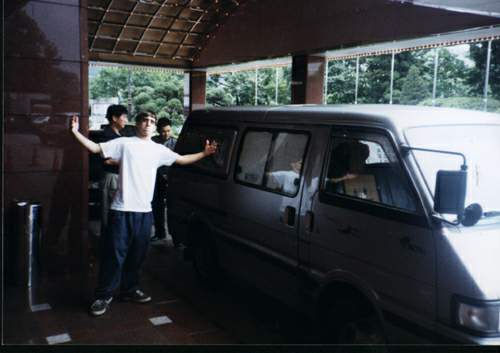
Next thing I knew, I was in the front seat. Behind the wheel. Me, driving a Korean minivan full of people, heading north toward the DMZ, technically saving the day with my questionable credentials and a straight face.
We laughed about it the whole way. The old man kept shaking his head, grinning like a fox.
For once, I wasn’t just tagging along. I added something to this trip. I mattered. And damn, did that feel good.
Northbound, baby. Me driving. Hah. What could possibly go wrong?
I grew up with martial arts. American-style. Chopsocky movies, dojo mats that smelled like old socks, and this vague, romantic idea that anything Asian was somehow… sacred. Mysterious. Holy.
So when I stood at the base of that towering Buddha at Sinheungsa, nestled in the Korean mountains, I felt it. That same childhood awe. Monks in robes. Prayer wheels spinning in silence. The kind of setting that made you believe you were just one whispered mantra away from becoming a kung fu master or unlocking some kind of inner peace.
Of course, I found neither.
No secret scroll. No enlightenment. Just me, an American kid standing before an ancient statue, trying to feel something profound.
And yet, I appreciated it. Deeply. Not because it changed me, but because it didn’t have to.
Sinheungsa didn’t owe me a transformation. It just was. A place older than my country. A place where people actually lived out the beliefs I’d only seen on VHS tapes and in half read books.
Then the old man, because he always had a story, leaned in and ruined the moment in the best way possible.
He told me about his time in the mountains as a chopper gunner. Said when they needed firewood, he’d just point the machine gun at a tree and rip it down.
Firewood by way of automatic weapon.
Of course that’s what he did. Why wouldn’t he?
And just like that, the sacred and the absurd coexisted. That’s Korea. That was my trip. That was life.
A giant Buddha in the mist, and a guy cutting down trees with a belt fed M60.
We made our way back to Seoul, winding down the mainland miles behind us. But the trip wasn’t over. Not yet.
Next stop: Jejudo. South Korea’s southern gem. Locals call it the Hawaii of Korea, and I get why. Volcanic landscapes, black sand beaches, and waterfalls that looked like they had been carved by a painter’s brush.
It was the off season, though. No tour buses clogging the roads. No honeymooners snapping photos every two steps. Just quiet.
That’s how the old man got us a deal. He always got the deal.
We checked into a resort hotel, one of those places built for crowds that never came this time of year. The halls echoed. The pool sat still. A few other families were scattered around, but for the most part, it was ours.
For the parents, this was paradise. Peace. No schedules. No noise. For us younger ones? It meant no wild nights and no real partying. But I didn’t mind. I wasn’t much of a drinker yet anyway. I was still figuring out who I was and what I wanted.
So we did what travelers rarely allow themselves to do.
We rested.
We took in the wind. The sea. The strange feeling of being far from everything familiar, yet somehow right where we were supposed to be.
It wasn’t loud. It wasn’t crazy. But it was needed.
And sometimes, that’s the best part of the journey. The quiet between the chaos.
Jejudo wasn’t just beaches and rest. It was a window, cracked open just enough to glimpse something older. Something deeper.
We visited a folk village, one of those places that smells like history and woodsmoke. Worn tools. Stone walls. People in hanbok showing how life was lived before glass towers and bullet trains.
Then there was the bonsai garden, a quiet, sacred kind of place. Twisted little trees shaped with obsessive care. Centuries of patience in every branch. I remember staring at them, wondering if I would ever master anything in my life with that kind of focus.
And of course, the mushroom tea factory. Earthy. Bitter. Packed with promise. Healing, energy, whatever the label said. I drank it like medicine, even if I didn’t know what it was supposed to fix. All the right things to do on vacation. The checklist stuff. But somehow, it didn’t feel forced. It felt earned.
We only had a few nights on that island. But I remember it all.
I remember hearing about the Jeju women divers. Haenyeo, they’re called. Elderly women who free dive without tanks, plunging into cold waters to harvest shellfish and seaweed. No fear. No drama. Just tradition and grit passed from mother to daughter for generations. These women were warriors in wetsuits. Icons of resilience.
Then, like all good things, it ended.
We flew back to Seoul. But Jejudo stayed with me.
Still does.
We flew back to Seoul. The parents went somewhere. I forget where. But our cousin took us to an amusement park called Never Never Land. It was a Disneyland ripoff with all the same quirks, songs, and rides, but without the Disney price.
I really enjoyed the experience. I miss it sometimes. It was a special moment when we made memories together. It’s somewhere I’ll probably never take my family, but still, it was a nice place.
We wrapped up the trip with a few more nights drinking in Seoul. I had enjoyed this trip.
Then we flew home, passing over Japan.
I looked down through the scratched airplane window and quietly promised myself I would get there one day. Japan was where I really wanted to go. The dream. But life, well, life handed me a detour. A strange, beautiful, unforgettable detour.
And it gave me something I didn’t know I needed.
I was becoming a little more Korean. Not in blood, but in spirit. In rhythm. In ritual. In understanding. I was laying down roots that would help me grow into the man I eventually became. Stronger. Wiser. A little more patient. A little more grateful.
And then, like many things in life, it ended in a way I didn’t want.
Then it happened. An event that forced a major decision. A private one. They know. She knows. I’m never going to tear a family apart. So I fell on that sword, and we parted ways.
Not the way I wanted it.
I miss them. Every one of them.
I’ve sent letters. No replies. I’ve thought about showing up, but I haven’t. Maybe I’m scared. Maybe I’m respecting their space. Maybe I just don’t want to know the answer.
People tell me not to try. Let it be, they say.
So I do.
But I still think about them from time to time, when the world quiets down and the memories sneak back in. I still love them. I still wish they could see what I’ve become and what their kindness helped build.
I have told less than a quarter of the story. For their privacy, so much has been left out. But it remains in my heart and in my memories.
That was the last time I set foot in Korea. And yeah, thinking about it still cuts deep. I never know whether I’m going to cry or just sit there, numb. Sometimes I’ll hear a song from that time. Jo Sung Mo’s “To Heaven.” That was the anthem. Every Korean guy knew it. A heartbreak ballad disguised as a flex.